
Fifteen Years Established. Finally Built to Scale.
The Scope
KRG Restaurants Intensive. Assessment. Strategy. Coaching.
The Overview
+17%
Average Monthly Revenue
8.2 Pts
Improvement in Net Profit
35 Hour
Reduction in Owner Involvement
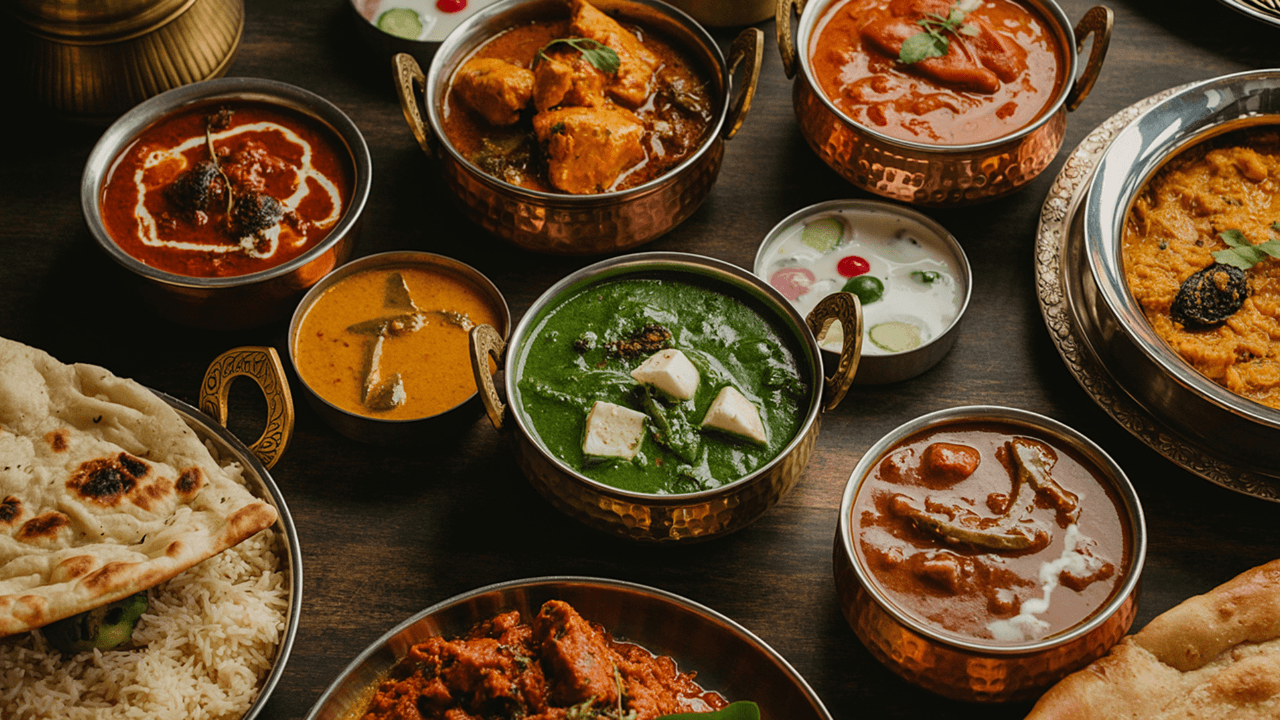
Fifteen years of success had built the reputation. But the next chapter required something reputation alone could not provide.
This upscale Indian restaurant had spent more than a decade establishing itself within its Ontario community. It had a recognizable brand, an established customer base, and a cuisine that guests trusted.
On the surface, it was a successful independent restaurant. Behind the scenes, the owners remained deeply involved in nearly every important operational decision.
The restaurant had grown around their commitment, knowledge, and personal involvement. Now that same dependence was limiting what the business could become.
The ambition was to expand into three additional regional Ontario locations First, the original restaurant needed to become a business that could operate, perform, and grow without relying on its founders every day.
The Brief
After fifteen years, the restaurant was approaching an important decision.
Remain a respected single-location business or build the foundation for regional growth to help with the family vision of one day exiting and retiring.
Expansion presented real opportunities, but it also exposed operational weaknesses.
Recipe standards and purchasing processes needed greater consistency. Labor scheduling was reactive. Management decisions frequently escalated to ownership. Guest experience standards depended heavily on individual employees.
The restaurant was established, but its operating systems were not yet designed to be replicated.
Meanwhile, increased competition and changing guest expectations were creating pressure to refresh the experience without abandoning the restaurant’s culinary heritage.
KRG Restaurants was engaged to stabilize financial performance, strengthen leadership, modernize the guest and employee experience, and develop the systems required for sustainable multi-location growth.
The Opportunity
The biggest opportunity here was building the business that could support another restaurant.
The original location had demonstrated market acceptance. The cuisine and concept resonated. The brand had credibility.
What was missing was consistency that could be measured, taught, and repeated.
Our assessment identified several sources of profit leakage, including recipe variance, purchasing inefficiencies, labor deployment, and inconsistent management routines.
We also identified an ownership structure in which too many decisions depended on two people.
Scaling that structure into three additional locations would multiply the pressure rather than the opportunity.
The strategy shifted from expansion first to operational readiness first.
Build a stronger flagship. Develop capable leaders. Create repeatable standards.
Then establish the financial and operational requirements for each new location.
The Clarity
We Separated Reputation From Performance
Fifteen years in business had established brand recognition. But recognition did not automatically translate into stronger profitability or future relevance.
Our initial assessment examined menu contribution margins, labour productivity, guest feedback, leadership capabilities, competitive positioning, and the owner’s involvement in daily operations.
The findings became a prioritized performance scorecard.
This gave ownership a clearer picture of what was protecting the business, what was limiting it, and what needed to change before expansion.
We Protected the Cuisine While Rebuilding the Economics
The restaurant’s identity was rooted in its cuisine and hospitality.
Those were strengths to preserve.
Through menu engineering, recipe standardization, purchasing controls, and more intentional menu architecture, we helped improve financial performance without compromising the flavors guests returned for.
We also identified opportunities to introduce more purposeful premium experiences, beverage pairings, and group dining packages.
The food remained familiar. The economic model became considerably more disciplined.
We Gave the Guest Experience a New Chapter
The restaurant did not need a dramatic rebrand. It needed to reconnect its established reputation with the expectations of today’s guests.
We worked with leadership to strengthen service standards, reservation experiences, employee engagement, digital presentation, and guest recognition.
The experience was designed to feel more consistent, contemporary, and connected while remaining authentic to the restaurant’s identity.
Training also shifted away from learning exclusively through observation.
Employees received clearer expectations, coaching, and opportunities to grow into leadership responsibilities.
We Introduced the KRG 40-Hour Freedom Formula
One of the most important transformations happened outside the dining room.
The owners had become the operation’s primary problem-solvers.
Purchasing questions, staffing challenges, guest issues, scheduling adjustments, and everyday decisions frequently required their involvement.
We helped restructure management responsibilities, introduce decision-making guidelines, and establish an operational scorecard.
Managers gained clearer authority and accountability. Owners gained greater visibility without needing to be physically present for every decision.
The target was a business capable of making good decisions without constant owner intervention.
We Built the Systems Before the Second Location
Once the flagship was operating with greater control, the focus shifted toward expansion readiness.
KRG Restaurants helped establish standardized operating procedures, financial models, leadership requirements, guest experience standards, and location evaluation criteria.
Three additional regional Ontario markets were identified for phased development and further feasibility review.
Rather than pursuing locations because they were available, the owners had a framework for understanding what each location needed to achieve before an investment decision.
The expansion strategy became a sequence of measurable decisions, not a race to open doors.
We Coached the Business Beyond the Initial Changes
The Intensive coaching process reinforced accountability through regular performance reviews, leadership development, and ongoing financial monitoring.
Managers were coached to interpret results, address variances, and make decisions before issues reached ownership.
Operational improvement became part of the restaurant’s management culture.
The Results
Over the defined 12-month transformation period, the original restaurant moved from owner-dependent performance toward a more structured and scalable operating model.
Average monthly revenue increased approximately 17%, from $215,000 to $251,000.
Restaurant-level EBITDA margin improved from 8.1% to 16.3%, supported by stronger purchasing, menu contribution, labor productivity, and operational controls.
Perhaps the most significant personal outcome was the change in ownership involvement.
The owners reduced their combined average weekly operational commitment from approximately 73 hours to 38 hours, returning 35 hours per week while maintaining clearer oversight.
The business also developed the operating playbooks, leadership structure, and financial evaluation models needed to assess three additional regional locations.
Those locations represented a structured expansion pipeline, not completed openings.
The restaurant had become more profitable, more consistent, and less dependent on its founders.
Its fifteen-year history remained an asset. But the systems supporting its future were fundamentally different.
The Next Steps
Complete Your Scorecard

Discover where your restaurant is exposed, underperforming, or ready to advance through a focused 15 question scorecard delivering immediate clarity and direction. It takes just 5 minutes.
KRG Performance Intensive

Transform assessment insights into a focused twelve-month strategy, then strengthen execution, accountability, profitability, leadership, and founder independence through coaching.
Free Masterclass

Your reputation brings in guests today. Will your current concept earn the guests you need next? Join Doug Radkey for the next free masterclass to reinvent your restaurant without losing its identity.
The Related Projects
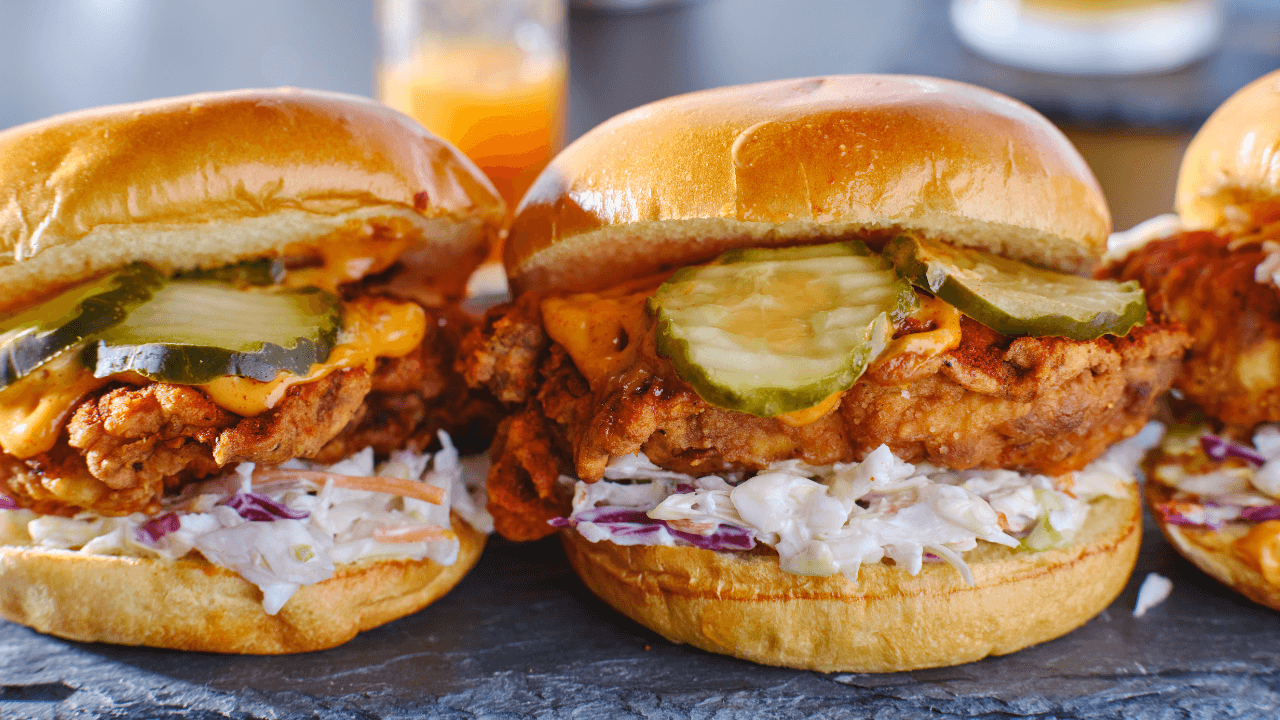
Explore how a California fried chicken restaurant strengthened brand positioning, increased repeat visits, and improved profitability in a competitive QSR market.
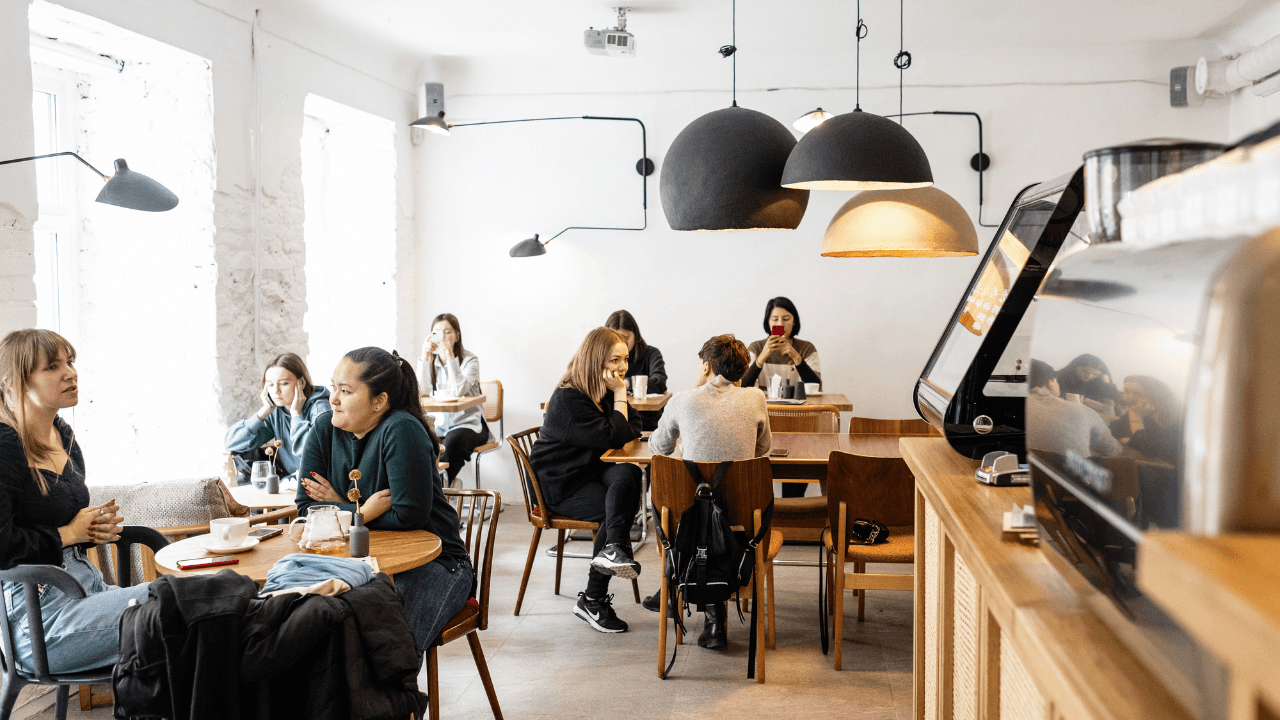
Discover how an Ontario nonprofit café improved operations, strengthened staff training, and revitalized community engagement through strategic reinvention.